You need the attention of your customers on social media for more sales. Yes, you must create high-performing social media ads to stay active in the customer’s mind. Are you still considering social media posts for your brand? Here is interesting data to understand its importance. $276.72 billion was spent globally on social media ads in 2025.
Brands need to stand out in social media ads for more sales. They need a more impactful, demanding, and results-driven advertising strategy to win the market. Since High-performing social media ads are the lifeblood of successful digital campaigns, let us try to understand the anatomy of a successful ad, why and how they work with some actionable examples.
 Time killer · Pain
Spending 6 hours writing posts that get zero traction?
Paste your URL. ZuAI turns it into 30 brand-on captions in 10 minutes — no blank-page panic, no generic AI filler.
What Defines a High-performing Social Media Ad?
True ad performance is measured by tangible business outcomes and positive ROAS (Return on Ad Spend).
A high-performing social media ad is measured by its ability to achieve a specific business objective. It has nothing to do with metrics like shares or likes. A true ad will create a brand awareness and generate leads to the product. It directly contributes to sales.
The success of any ad campaign is measured by its tangible outcomes and positive ROI (Return On Investment).
For example, if the average Return on Ad Spent (ROAS) across all the social media platforms is a healthy 4:2:1; then, for every $1 spent, businesses can get $4.20 return at the end. So, create ads that are not innovative but that strategically align with your company’s goals.
Outcome · RecommendedGet 30 days of social content from your website — in 10 minutes.
Why are Examples not Enough for Understanding Social Media Ads?
A high-performing social media ad is not something created accidentally. It is created based on a strategic plan. To understand what a perfect social media ad is, you need to understand the underlying strategy, creativity and audience psychology of every ad. In this blog, let us focus on Why social media ads works and its components.
Proof · Verified
2k+ grew faster with one tool.
The Core Ingredients of a Winning Social Media Ad Strategy
You cannot achieve continuous success in social media advertising without these fundamental pillars. The following are the key elements used to create a powerful foundation for any campaign.
Know your Audience Inside Out
Understanding your audience’s needs is the cornerstone of any effective advertising strategy. Every brand must know their audience psychographics, pain points, aspirations, and online behavior. If there is no deep insight, even the most creative ads will fall apart.
Nearly 70% of customers expect personalized interactions, and 75% of them get frustrated when it doesn’t happen. Hence, brands always need the best strategy to win.
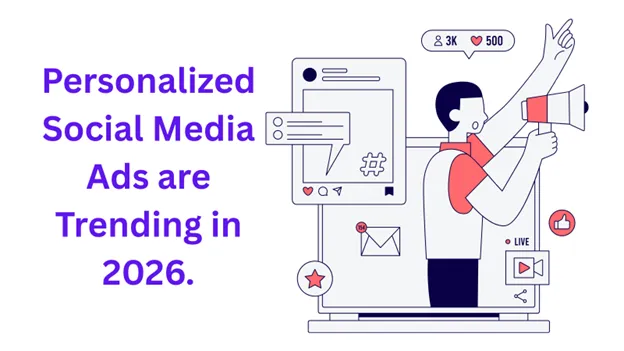
Platforms like Facebook and Instagram let businesses choose who see their ads. They enable brands to select viewers by age, place, interests, and hobbies. This feature helps brand to take their product and service to the right set of audience. When targeted people see the ad, they end in purchasing the product or save it for later in their cart.
Creative Content in Visual and Copy Format
Creative execution of your social media ad is paramount. The following are the important areas of a creative.
Visuals: High-quality, captivating images or videos are important for social media ads. 99% of users access social media platforms from their mobile phones. So, create mobile-friendly visuals that align well with the brand and instantly communicate your message to the viewers.
Ad Copy: Your brand’s ad copy must clearly articulate the value proposition and prompt the desired action. Every copy must be persuasive, concise, and benefit driven. If your ad copy is interactive and speaks directly with audience, you win the market.
Format: The Ad copy format impacts audience engagement. Be it a static image, a video, carousel, Stories, Reels or a short-form video, every format has its own strength. Some formats are best suited for specific platforms and objectives like YouTube or TikTok.
Social media ads act as the primary player in determining the sales of a product. Many users have reported making a purchase after watching branded social media posts about the product. Nearly, 65% of users prefer checking social media at least once before a purchase.
Example: Using vertical video formats is highly suitable for YouTube Shorts and TikTok.
Power of Call to Action (CTA)
A high performing social media ad contains nice words, attractive pictures, and a clear call-to-action (CTA). It is the CTA that tells people what to do next. It connects their interest with real action. Your CTAs should be clear and direct.
Example: “Shop Now”, Learn More”, “Sign Up”, or Download” are some of the simple yet effective CTAs used by B2C brands.
Social Proof and Trust Factors
With almost every brand fighting for recognition in the social media platform, gaining the trust of users is not easy. Social proof takes origin here for settling the brand’s loyalty and trust. Testimonials, reviews, recommendations, and all types of feedback about a brand increases its trust and loyalty to the people.
Apart from the above content, you can also share posts, photos, and videos made by real customers. This is called user-generated content. When people share real experiences, others will trust the brand more.
Platform Specific Optimization
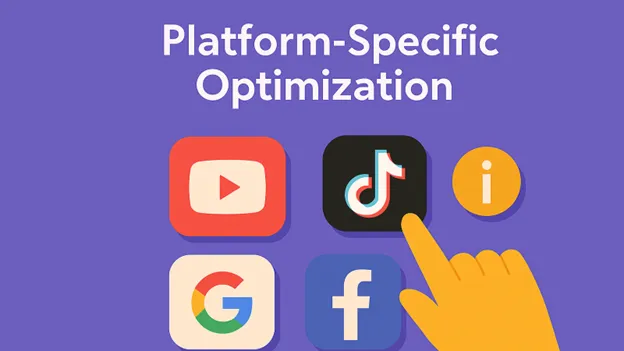
Every platform has a unique audience group, algorithm, and best practices. Image posts will not be effective for YouTube Shorts, whereas long-form content is not practically suitable for TikTok. Even Google ads inform social strategies to capture high-intent audiences. So, you need to understand every platform before publishing your social media ads.
Free · Instant · No signupSee what ZuAI generates from your website — right now.
Paste your URL. Watch ZuAI write a month of brand-on captions in seconds. Preview before you create an account.
Category 1: Ads that Master Storytelling and Emotional Connection
Story Telling ads build a deeper connection with the audience. They tap the viewer’s emotions, shared values, and relatable narratives. These ads focus on building brand affinity and long-term loyalty.
1. Brand Stroytelling through Video (Dove’s “Real Beauty “ campaigns)
Dove’s “Real Beauty” campaigns are a masterpiece in brand storytelling through videos. Dove did not sell its product features, instead it sold the emotional connection between beauty standards and self-esteem. Dove’s long-form videos were shared on YouTube and social media platforms to foster a strong connection between the brand and the customer. With the help of social media, this brand tapped into the good book of customers.

2. Humor and Reliability Ads
A simple and direct funny launch video made by a brand got popular in short-span of time. It’s none other than the Dollar Shave Club. The video showed a man taking to the camera in a fun and honest way. He complained that razors were too expensive in a more humorous way. It made people laugh and grabbed their attention. As a result, their razors were sold in no time. The demand increased and sales kicked off.

Here the brand showed its personality and the video felt real and different from other ads. And that’s why it worked so well.
Interactive and Immersive Experiences with filters and Effects on Social Media Ads
Snapchat is popular among GenX and GenZ for only one reason: filters. Yes, people love to take pictures in different angles and effects without the need to apply makeup or travel for hours for a single photo. This leads to better reach.
Example:
A lipstick brand can create filters to allow their users to try on lipstick virtually and choose the perfect tone. This experience along drags more viewers to the social media. Filters are now available in Instagram, Snapchat and TikTok.
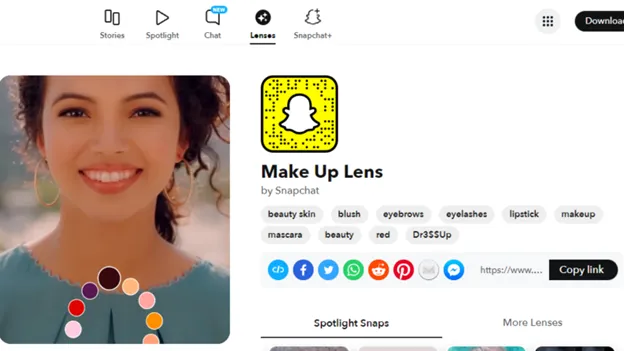
With more viewers on a brand page, more people see the brand. This step helps the brand to gain more attention and engagement.
Speed · 10-minute setupOne coffee from URL to a full month of scheduled posts.
Drop your URL, brew your coffee, come back to 30 brand-on captions ready to publish.
Category 2: Ads that Convert Through Problem-Solving and Value Proposition
These ads focus on demonstrating how a product or service solves a specific customer’s pain point and directly communicating value & driving conversions.
Demonstrating Clear solutions
Slack showcases its value propositions through ads. Their ads share solutions in the most promising way. Their ads highlight how they streamline team communication, reduce email overload, and boost productivity.
Most brands work on the PAS format. The Problem, Agitate, and Solution method works because it mirrors how customers naturally process their decisions. First, the brand identifies a clear pain point and then it intensifies the consequences of ignoring that problem. Finally, they present the product as a practical and achievable solution. Brands focus on outcomes and avoid technical specifications. In this way, brands are not selling their products; they are selling solutions. When a clear distinction is set between before and after usage in the ads, the sales will be stronger.
Testimonials and Case Studies in Action
Testimonials and reviews are long used by brands to build trust and increase sales.
Businesses use platforms like Trustpilot to share honest reviews in their ads. It helps the new buyers to see real feedback from other customers. This works because people trust other customers more than ads. Thus, testimonials and reviews are crucial elements for building confidence and encouraging purchases.
Carousel Ads for Comprehensive Showcases
Carousel ads on platforms like Facebook are ideal for showcasing multiple products, features or steps in a process. Many eCommerce brands use this format frequently to guide users through their products and services.
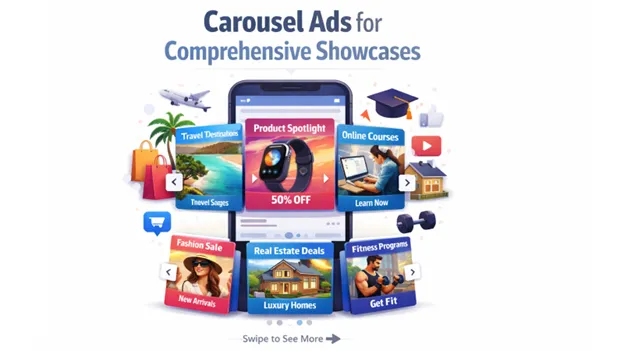
Example: Clothing brands use the carousel ad type to show a single outfit styled in multiple ways or display different color options. These ads work well for B2B and B2C brands because they give more information in one ad.
Blank tab. Six open browsers. No clue what to post.


 After · With Indzu
Paste one URL. Get 30 scheduled posts.
Category : Ads that Drive Engagement Through Community & Authenticity
Some ads focus on real people, real stories, and real connections.
User-Generated Content ( UGC Ads)
More than 35% of global brands rely on photos, videos, and stories shared by their customers to increase trust in the community. They avoid professional models in their ads and show real people in their environment.
These ads gain more success because people trust real people and when customers see others using and loving a product, they feel more confident about buying it.
Influencer Collaborations for Reach and Credibility
Influencer marketings remains a potent strategy for reaching niche audiences and building credibility. Sephora, the well-established luxury beauty brand, frequently partners with beauty influencers and creates ads. These influencers can integrate the products well in their posts and recommend them. This strategy makes the entire environment look natural and honest. This works because people trust influencers they follow. In turn, this trust helps brands reach the right audience and increase sales.
Building Hype with Challenges & Cultural Moments
Platforms like TikTok thrive on trends, challenges and cultural moments for elevating their products and services. Brands that successfully tap into these phenomena can generate significant organic reach and engagement.
Participating in trends and challenges exposes your brand to a massive and engaged audience. This practically offers positive brand awareness and a perception of authenticity.
Time killer · Pain
Spending 6 hours writing posts that get zero traction?
Paste your URL. ZuAI turns it into 30 brand-on captions in 10 minutes — no blank-page panic, no generic AI filler.
Optimize Social Media Ad Performance:
Creative content strategy and continuous refinement are important for most brands to achieve better sales and more customers. Here are the key components that you need to optimize for better social media ad performance.
The Critical Role of the Call to Action (CTA) and Landing Page
A customer’s journey actually begins when a customer clicks on your ad. Without a clear CTA you cannot bring the users to your landing page. An optimized landing page is something that completes the buyer journey. Develop your landing page to reflect your ad’s promise, offer a clear next step (it can be a purchase, sign-up or download) and provide a user-friendly experience.
A disconnect between the ad and the landing page or a poor user experience can quickly lead to lost conversion opportunities. Hence, brands must be very careful in designing the landing page and relevant social media ads.
Strategic Retargeting campaigns
Retargeting campaigns are an effective social media advertising strategy that shows ads to users who have previously interacted with the brand. By re-engaging witht hem and guiding them further down the marketing funnel, you bring more sales to the table.
Retargeting campaigns are usually highly effeicient and the conversion rates are high than other normal campaigns.
A/B Testing and Analytics for Continuous Improvement
Social media users always look for variety in content. Hence testing which type of content performs well for the brand is very crucial. Always test your Ads with different headlines, images and CTAs. By Checking the results regularly, you can see what works best and improve your ads over time.
Social Ads in the Marketing Funnel
High performing social media ads are not isolated entities; they are part of the larger marketing ecosystem. If your social media ad strategy is right, you can entice the customers at every stage of the journey; be it initial brand awareness or final conversion.
Understanding how your ads fit into the broader funnel ensures a cohesive strategy, where each touchpoint reinforces the overall brand message and moves a little closer to the customer’s purchasing decision.
Outcome · RecommendedGet 30 days of social content from your website — in 10 minutes.
The Future of Social Media Advertising
Social media advertising industry receive regular updates with new technologies, challenging customer behavior, consumer purchasing power and emerging platforms. Hence , to maintain high performance, marketers must remain adaptable and forward thinking.
AI’s Role in Ad Creation and Optimization
AI (Artificial Intelligence) is transforming the social media advertising industry. AI tools are used in content generation, ad copy optimization, audience segmentation, and predictive analysis to enhance ad efficiency and effectiveness. AI identifies the patterns and opportunities in the social media posts and provides more precise targeting and personalized ad strategy.
Proof · Verified
2k+ grew faster with one tool.
Blueprint for High-performing Social Media Ads
High-performing social media ads are built with purpose, not guesswork. It is a multifaceted endeavor, blending creativity, strategic insight, and a deep understanding of the audience and the platform. I hope this blog has shared valuable information on how to create high-performing social media ads and develop content strategies. If you need more info on post ideas, strategies or top content formats, check our blog section.