Before you complete this sentence, hundreds of people might have bought something online. That is the power of social media advertising.
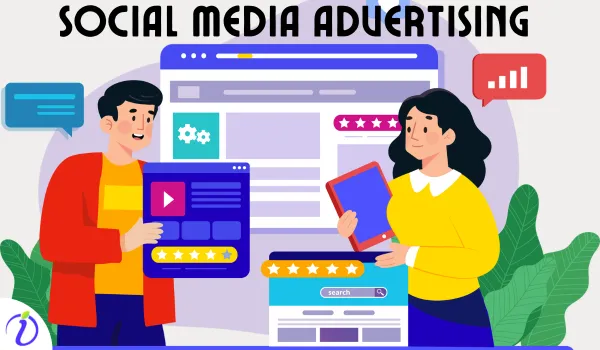
Social media advertising is an offshoot of digital marketing where paid ad campaigns are run on social media platforms to reach target audiences. Marketers and advertisers can promote their brand and inspire sales through the social channels that users frequently use.
 Time killer · Pain
Spending 6 hours writing posts that get zero traction?
Paste your URL. ZuAI turns it into 30 brand-on captions in 10 minutes — no blank-page panic, no generic AI filler.
Impact of Social Media Advertising in the Marketing Industry
Social media advertising is a revolutionary change in the marketing industry. The growing power of the Internet has transformed the world into a small digital space where you can buy anything by the tap of a finger. Social media advertising has also removed the geographical barriers of the world, and anyone can buy a product from the other side of the world in less than a minute.
Outcome · RecommendedGet 30 days of social content from your website — in 10 minutes.
Social Media Advertising Influence on Gen Z and Millennials
Wondering who is the first group to experience what is coming up new in the market? Yes, you got it. The millennials and Gen Z are the ones who are more than willing to purchase things that are new in the market. This made me look around me.
When I looked around, I saw a Bluetooth speaker, mouse, protein shake, candle and many other things sitting around me with the label “brought online”. Those were the results of ads that I saw on social media platforms. Are you one of them? Who has made a recent purchase because of social media ads?
The Trend of Social Media – Driven Purchases
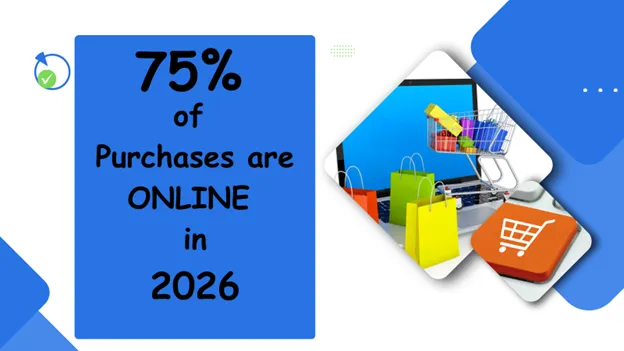
Not only me, but I have also found that nearly 75 % of people have purchased a product just because of a social media ad in 2025. Thus, we can find a drastic change in the purchase strategy of the people.
Yes. Social media has become a powerful driver of consumer behavior. The influence of social media is very high among the people that one three out of four sales are online. Social media platforms like TikTok, Instagram, Twitter, Facebook, and even LinkedIn are the prime target of big brands.
Social Media as the New Search Engine
Social media platforms have become the new search engine for millennials, and Gen Z. Gen Z are found to buy 95 out of 100 products online, whereas millennials purchase only 80 products online. Millennials need social proof for purchasing products. They are heavily influenced by friends, family, or influencers during purchase.
Why Brands Prefer Social Media Advertising
Social media advertising is seen as a promising strategy by ecommerce brands because the conversion rate is quite high in social media advertising campaigns. The average conversion rate for social media advertising is generally around 2% to 5% percentage for most brands. This means that for every 100 clicks, 2 or 5 clicks are converted into sales. This conversion rate is more promising for the brand and hence they prefer a social media marketing campaign for their products.
Facts about Social Media Advertising
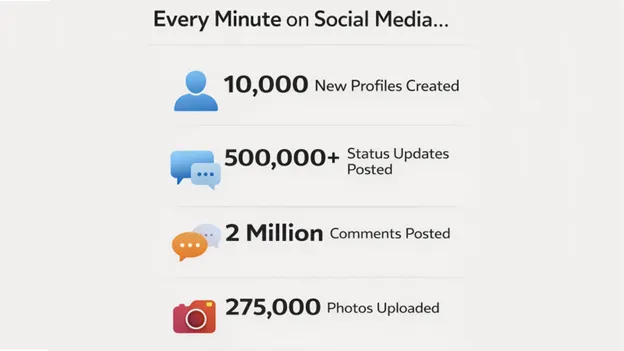
Every minute, approximately 10,000 profiles are created, 500,000+ statuses are updated, 2 million comments are posted, and 275,000 photos are uploaded. With more than half a million posting every minute, winning is not about posting more; it is about posting smarter, sharper, and more human.
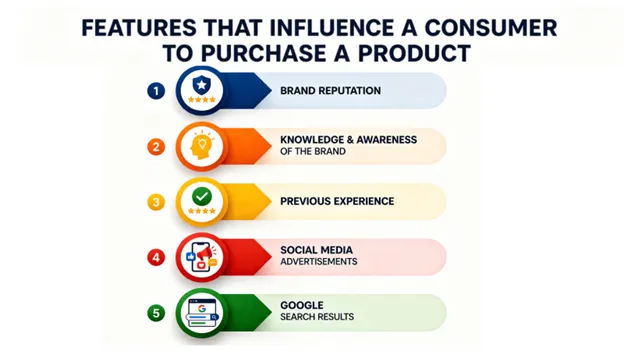
Features that influence a consumer to purchase the product.
- Brand reputation.
- Knowledge and awareness of the brand.
- Previous experience.
- Social media advertisements.
- Google search results.
Proof · Verified
2k+ grew faster with one tool.
How to Build a Winning Social Media Marketing Plan?
Step 1: Assess your brand / business/ group / idea
Try to answer the following questions before you create the social media plan.
- What is it about?
- Where is it now?
- What needs to be done?
- Is there something new?
Step 2: Identify your target audience
Identify your target audience. Cluster them under the following categories
Age |
Gender |
Race |
Location |
Employment status |
After categorizing them, try to include some more details, if possible, for accurate campaign selection.
| Psychographic Factors |
|---|
Personality |
Values |
Attitudes |
Interests |
Lifestyle |
Once the target audience is identified, you are just a few steps away from a successful social media advertising campaign.
Step 3: Make specific goals
The next step is the determination of specific goals. Complete this check list before starting your actual campaign.
- Get feedback from your target audience.
- Generate FB page messages.
- Build email marketing list of engaged consumers.
- Improve brand engagement across social media networks.
- Increase volunteer sign-ups.
- Get more pledges.
- Drive sales directly through campaign advertisements.
Step 4: Choose your channels
Remember that each platform has a distinct character and audience.
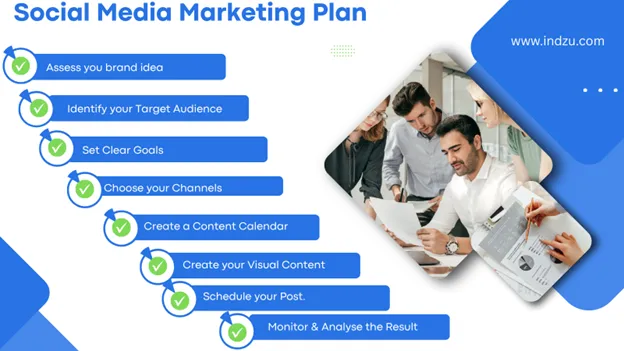
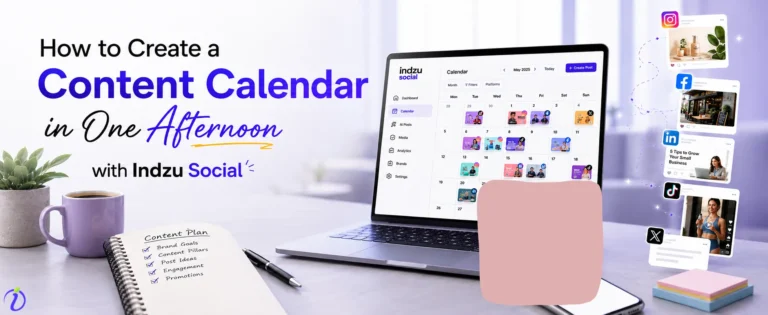
Step 5: Create a content calendar
The next part of the planning process is actually plotting out your schedule on a calendar. What days of the week and times will you be posting content to your social channels? What messaging and creative copy will you use to generate engagement? You can set up a basic outline of what each day looks like for the week or month of the promotion on a calendar template, like the example below from one of our campaigns.
Step 6: Create your visual content
Now it’s time to create all of the visual components you planned out – still image, videos, blog, podcast etc..
| Platform | Paid Ad Types | Most Favorable Audience | Target Countries | Best Industries |
|---|---|---|---|---|
| Image ads, Video ads, Carousel ads, Lead ads, Marketplace ads | 25–55+ years, broad audience, families, small business owners | India, USA, UK, Philippines, Brazil | E-commerce, Real estate, Education, Local businesses | |
| Photo ads, Reels ads, Story ads, Shopping ads | 18–35 years, visual-first users, lifestyle-focused | India, USA, UAE, UK, Australia | Fashion, Beauty, Fitness, Food, Travel | |
| TikTok | In-feed ads, Spark ads, Branded hashtags, TopView ads | 16–30 years, Gen Z, trend-driven users | USA, Indonesia, UK, Middle East | Fashion, Entertainment, Beauty, D2C brands |
| Sponsored content, Message ads, Lead gen forms, Text ads | 25–55 years, professionals, decision-makers | USA, UK, Canada, India | B2B, SaaS, Recruitment, Corporate services | |
| YouTube | Skippable ads, Non-skippable ads, Bumper ads, Display ads | 18–45 years, video consumers, learners | India, USA, Japan, Germany | Education, Tech, Entertainment, Product demos |
| X | Promoted tweets, Trends, Video ads | 20–45 years, news followers, tech-savvy audience | USA, Japan, India, UK | Tech, News, Finance, Crypto |
| Promoted pins, Shopping ads, Idea pins | 20–45 years, predominantly female audience | USA, UK, Canada, Australia | Home decor, DIY, Fashion, Wedding, Food | |
| Snapchat | Snap ads, Story ads, AR lenses, Filters | 13–30 years, Gen Z, casual users | USA, UK, France, Saudi Arabia | Fashion, Beauty, Gaming, Events |
| Google Ads | Search ads, Display ads, Shopping ads, Video ads | All age groups, intent-based users | Global | E-commerce, Services, Local businesses, B2B |
| WhatsApp Business | Click-to-WhatsApp ads, Broadcast campaigns | 20–50 years, mobile-first users | India, Brazil, Indonesia | Local services, Healthcare, Education, Retail |
Step 7: Schedule your posts
Now it’s time to schedule! You’ve got a plan. You’ve got a calendar. You’ve got awesome content! You’re ready to put it all together in your social media scheduling tool of choice.
Step 8: Monitor and Respond
Part of managing social media like a boss is simply being present on your profiles.
Step 9: Analyze and adjust
Take time to go over your analytics to see what worked and what didn’t work. May be all of your early morning posts did really well and your mid-afternoon posts totally flopped. Or one type of visual content or messaging had higher engagement than another. Then, use that knowledge to adjust your tactics for the next campaign.
Free · Instant · No signupSee what ZuAI generates from your website — right now.
Paste your URL. Watch ZuAI write a month of brand-on captions in seconds. Preview before you create an account.
Challenges in Social Media Advertising
Paid ad campaigns perform well than organic marketing strategies, but they also havwe their own set of challenges.
- Content Saturation
- Changing Algorithms
- Ad Fatigue
- Privacy concerns and data restrictions
Content Saturation
The biggest challenge in social media advertising is content saturation. It is very hard to grab attention among 100 million posts.
Update: Millions of posts are going live every minute
Changing Algorithms
What worked well for your last post may not work well for today’s post. Social media platforms update their algorithms and thus staying popular or viral is never a gift.
Ad Fatigue
A negative perception of the brand is created among viewers’ minds by repeated views. As a result, brands need more creativity and innovation to be in the market.
Privacy Concerns and Data Restriction
Advertising has become more complex due to privacy concerns, and brands now need to find smarter and ethical ways to reach their audience.
General Tips for Social media advertising
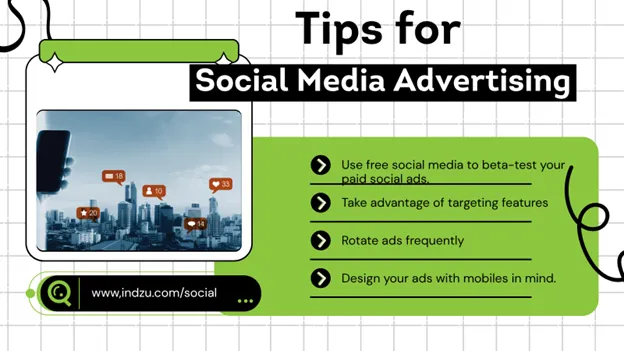
- Use free social media to beta-test your paid social ads.
- Take advantage of targeting features
- Rotate ads frequently and identify the winning ads. It’s cheaper and more effective.
- Understand how ads are sold and adapt your content accordingly.
- Design your ads with mobiles in mind.
Speed · 10-minute setupOne coffee from URL to a full month of scheduled posts.
Drop your URL, brew your coffee, come back to 30 brand-on captions ready to publish.
Social Media Advertising Follow Ups
Paid social is the best way to reach your audience frequently without being disruptive, so don’t forget to design your ads with smartphones in mind. Paid social is a very powerful way to raise awareness of your business and boost your sales. But doing it well takes a lot of time, passion, and expertise. Social media advertising is the key to being successful online and can help your business stand out from the crowd. Contact us and let our team of experts design your next social media advertising campaign. We will make you love this new digital world.