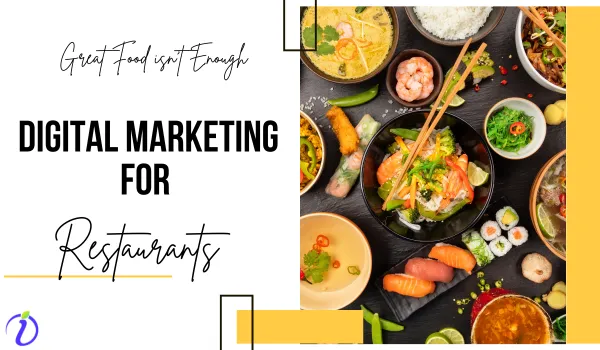
You heard that right. Great food isn’t enough until you master digital marketing for restaurants.
Media and restaurant owners make the exact same mistakes again and again. Because of those mistakes, they don’t get results. They get discouraged, and eventually, they stop. And when they stop, it directly hurts their business—or worse, leads to failure.
That’s exactly why we’re starting here.
If you understand these common pitfalls early, you can avoid them entirely and put yourself in a position to grow. And these aren’t just theories. These insights come directly from people who have consistently succeeded in marketing restaurants.
 Time killer · Pain
Spending 6 hours writing posts that get zero traction?
Paste your URL. ZuAI turns it into 30 brand-on captions in 10 minutes — no blank-page panic, no generic AI filler.
People Eat With Their Eyes—But Most Restaurants Ignore This
One of the biggest mistakes restaurant owners make on social media is forgetting a very simple truth:
People eat with their eyes.
It sounds obvious. But if it were truly understood, most restaurants wouldn’t be making this mistake.
Let’s take a common scenario.
A customer visits your restaurant, enjoys the food, and tags you in a post or story. Naturally, you feel good about it. You reshare it. You think you’re supporting your customer and building engagement.
But here’s the reality.
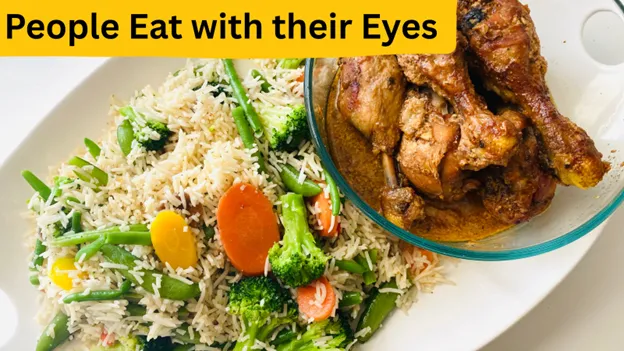
You only get one first impression.
So if that photo isn’t amazing, if that video doesn’t look great, if it doesn’t highlight your food the way it should be highlighted, it’s a total wasted opportunity.
If that’s on your main feed, no one really gets anything from it. And if you put it on your story, there’s no value given to the people who are already following you.
A low-quality image from somebody who’s already eating doesn’t really help you or the people following you in any meaningful way. The premise makes sense—you want to support the people who are supporting you—but before that, your brand should come first.
If you really thought about the rule that people eat with their eyes, you would control the access to photos and videos of your food to ensure it’s always being represented in the best way possible.
Human beings are wired to want appetizing things. If your content doesn’t reflect that, you lose attention. Social media marketing for restaurants concentrates on these issues very seriously.
Outcome · RecommendedGet 30 days of social content from your website — in 10 minutes.
The Struggle to Reach Your First 1,000–2,000 Followers
One of the hardest things you’re going to face as a restaurant on social media is getting past that first 1,000 or 2,000 followers.
It can really snowball from there, but that first phase is extremely difficult to break through if you don’t know what you’re doing.
Most restaurants make mistakes here. They either try to fake their way by buying followers, or they pay for ads on bad content, or they give up before reaching that milestone.
It gets much easier once you get there, but getting there takes effort and strategy. The prime goal of digital marketing for restaurants lies in building a solid follower base.
Proof · Verified
2k+ grew faster with one tool.
The Power of Storytelling Content
You need to incorporate storytelling content, along with content that is highly shareable.
Food is inherently viral because people are naturally motivated by it. If you create good-looking content and tell stories through it, it becomes very likely to be saved and shared. That is what triggers the algorithm to push it to more people.

Some examples of storytelling content include showing an empty plate that turns into your best-looking dish, capturing every step along the way, documenting the environment, showing before and after moments, and giving people a clear idea of what they can expect.
You can also highlight what makes your restaurant different and tell that story visually so people understand the experience they would have if they visited.
Highlighting team members is also important. All the elements that go into the experience should be shown, because food is not just about eating—it’s about the overall experience.
The restaurants that present this creatively are the ones that succeed. It is the digital marketing for restaurants that brings out new dishes everytime to viewers through their social media platforms.
Free · Instant · No signupSee what ZuAI generates from your website — right now.
Paste your URL. Watch ZuAI write a month of brand-on captions in seconds. Preview before you create an account.
Become a Student of Content
To break through this phase, you need to become a student of content.
Look at what others are posting and identify what performs well. Try to understand the reasons behind why something works. You can even take inspiration from outside the food industry.
Food gives you a massive advantage because it’s a universal language. You don’t always need words to tell a story—people understand food visually.
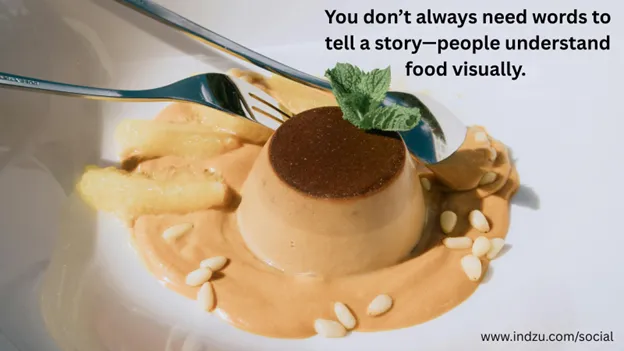
That’s why food content can consistently go viral and perform well regardless of language.
Focus on storytelling content, strong visuals, and creative ways to show the experience of your restaurant.
There are examples everywhere on platforms like Instagram and TikTok. Study them, understand them, and apply what makes sense to your own brand.
Speed · 10-minute setupOne coffee from URL to a full month of scheduled posts.
Drop your URL, brew your coffee, come back to 30 brand-on captions ready to publish.
Don’t Quit Too Early
The early stage is the hardest, but you shouldn’t quit.
At the same time, don’t put money behind bad content. Many restaurants try to speed up growth by spending on ads without fixing their content.
It’s always better to put effort into creating strong organic content first and then promote that. If people genuinely want your content, it will perform better. If you push bad content, people won’t engage, and even if you gain followers, they won’t convert into customers.
Blank tab. Six open browsers. No clue what to post.

 After · With Indzu
Paste one URL. Get 30 scheduled posts.
Always Mention Your Location
Always make sure to mention the location of your restaurant in your content.
When someone sees food that looks amazing, they are more likely to share it if they know it’s in a place they recognize or where they know someone. This increases the chances of your content being saved or shared, making it more personal. It also adds another layer of trust when content is shared between people who know each other.
Many restaurants fail to consistently remind people where they are located, and this leads to missed opportunities. When your content starts reaching new audiences, they won’t know who you are or where you are unless you clearly tell them. So always assume the viewer is new. Give them all the information they need to visit or share your content.
Be Intentional With Your Digital Storefront
Your Instagram profile is your digital storefront.
This includes your bio, your stories, and your main feed—the first things people see when they visit your profile. If you’re not intentional with these elements, you will lose potential customers.
Your main feed should only contain content that remains relevant over time. Time-sensitive content, such as promotions or limited offers, should not be posted there. Instead, use stories for time-sensitive updates. You can repeat them multiple times and even save them as highlights if needed.
Many restaurant owners clutter their feed with temporary content that becomes irrelevant but still takes up space. You should always think about what makes people follow, engage, and buy.
If someone visits your profile after seeing a great post, they will explore more. If your profile isn’t consistent or intentional, you may lose them.
Time killer · Pain
Spending 6 hours writing posts that get zero traction?
Paste your URL. ZuAI turns it into 30 brand-on captions in 10 minutes — no blank-page panic, no generic AI filler.
Avoid Lazy Content
Another common mistake is posting lazy content.
Many restaurants upload generic photos or poor-quality videos and expect results.
Even if your food looks amazing, if the presentation is weak, people won’t respond.
Content should create emotion, tell a story, and make people care.
If you’re posting just to stay active without any intention, it won’t work.
In fact, posting bad content can be worse than posting nothing at all.
Your content represents your brand. If it looks low quality, people will assume your restaurant is the same. Digital marketing for restaurants incudes creating quality content and good images.
Outcome · RecommendedGet 30 days of social content from your website — in 10 minutes.
Lack of Creativity Holds You Back
A lack of creativity is another major issue.
Many restaurants don’t experiment with different types of content or use the tools available on platforms like Instagram.
Features like Close Friends can be used to connect with your most loyal customers and build a strong community. When you reward your best customers and engage with them directly, they are more likely to return and recommend your restaurant to others.
Creativity applies both to the type of content you create and how you use platform features.
Today’s diners don’t pick a restaurant just because the photos look good. They check reviews, ratings, location, and menus and often compare a few spots before deciding where to go.
They just don’t look, they do their homework.
And that’s exactly where digital marketing for restaurants plays a key role in shaping those choices. If you need digital marketing services for your restaurant, indzu can help.
Proof · Verified
2k+ grew faster with one tool.
FAQs
How often should I post for my restaurant?
There’s no fixed number. You can post as often as you can. Always post quality images and content. Try to make sure every post has a purpose, clear message, and strong execution.
What should be done to show my restaurant in the search engine results?
In a big city like New York, there is a great restaurant on almost every block and standing out is not easy. And most decisions are often made in minutes and sometimes even seconds. If your restaurant did not show up in the search results, you are definitely going to miss hundreds of customers every day. Strong reviews, updated pictures and menus, and active presence in social media are very important to make them stop by.
What are the things to avoid during digital marketing for restaurants?
Many restaurants post:
- Random photos.
- Low-quality videos.
- Content with no intention.
And, then wonder why nothing works. Even if your food is amazing, poor content makes it look average.